
When Do You Need Full-Mouth Reconstruction? The Top Signs Adults Shouldn't Ignore
Recognizing the warning signs that your teeth need comprehensive treatment—without fear or overwhelm
Full-mouth reconstruction sounds intimidating. The term conjures images of extensive dental work, significant time commitment, and considerable expense. But for many adults, it's not optional—it's necessary to prevent further damage, restore function, eliminate pain, and regain confidence. The key is recognizing the signs early, before problems compound into dental emergencies.
What Is Full-Mouth Reconstruction?
Full-mouth reconstruction is comprehensive treatment that addresses significant functional and aesthetic problems affecting most or all of your teeth. It's not about "fixing" a tooth or two—it's about systematically rebuilding your entire bite to restore proper function, eliminate pain, and create lasting stability.
The goal: Create a healthy, functional, comfortable bite that will last decades—not just patch problems as they arise.
Top Signs You May Need Full-Mouth Reconstruction
1. Severe Tooth Wear
Your teeth have worn down significantly—appearing flat, short, or chipped at the edges. This often results from years of grinding (bruxism), acid erosion, or simply age-related wear.
Why it matters:
Severe wear affects your bite height, strains your jaw joints, accelerates further damage, and makes you look older. Once wear reaches a certain point, addressing individual teeth won't solve the problem—you need to rebuild the entire bite systematically.
2. Collapsed or Unstable Bite
Your bite has "collapsed"—the vertical dimension (distance between upper and lower teeth) has decreased, often due to missing teeth, severe wear, or tooth loss. This creates a domino effect of problems.
Common symptoms:
- • Difficulty chewing certain foods
- • Jaw clicking or popping
- • Facial appearance looks "collapsed" or aged
- • Persistent TMJ pain
- • Headaches, especially in morning
3. Multiple Failing Restorations
You've had crowns, bridges, or fillings replaced multiple times. Work keeps breaking, chipping, or developing decay underneath. It feels like you're constantly at the dentist patching problems.
Why this happens:
When your bite relationship is incorrect or forces are unbalanced, even well-done restorations will fail. Replacing them individually doesn't address the underlying biomechanical problem—you need comprehensive treatment that establishes proper occlusion.
4. Chronic TMJ Dysfunction
Persistent jaw pain, headaches, limited opening, clicking, or muscle soreness that hasn't responded to conservative treatment (nightguards, physical therapy, medication).
The connection:
TMJ problems are often caused by poor bite relationships. When teeth don't fit together properly, your jaw muscles work overtime trying to find a comfortable position. Full-mouth reconstruction can re-establish proper joint positioning and eliminate chronic strain.
5. Frequent Tooth Breakage
Teeth keep chipping, cracking, or fracturing—even without obvious trauma. You've had multiple root canals or extractions due to fractures.
What this indicates:
Chronic breakage suggests excessive forces (often from grinding), weakened tooth structure from large old fillings, or biomechanical problems with your bite. Patching broken teeth individually is temporary—addressing the root cause requires comprehensive treatment.
6. Multiple Missing Teeth
You're missing several teeth, and the gaps are affecting your ability to chew, speak, or smile confidently. Remaining teeth are shifting or becoming stressed from compensating.
The cascade effect:
Missing teeth cause neighboring teeth to drift, opposing teeth to over-erupt, and bite collapse. Simply replacing the missing teeth without addressing these changes won't create long-term stability—you need comprehensive planning.
7. Old, Failing Dentistry from Decades Past
You had significant dental work done 20-30+ years ago, and it's now failing en masse. Large silver fillings are breaking down, old crowns are loose or decayed underneath, margins are open.
Why comprehensive treatment makes sense:
When the majority of your teeth have old, failing dentistry, addressing them individually means years of ongoing treatment and unpredictable outcomes. Full-mouth reconstruction addresses everything at once with a coordinated plan.
8. Significant Aesthetic Concerns
Your teeth are discolored, misshapen, uneven, gapped, or severely worn—affecting your confidence and willingness to smile. You hide your teeth in photos or social situations.
Function meets aesthetics:
When aesthetic concerns are combined with functional problems (wear, bite issues, failing work), full-mouth reconstruction addresses both simultaneously—creating a beautiful smile that also functions optimally.
What If You're Not Sure?
Many patients come in uncertain whether they need comprehensive treatment or can continue with patchwork fixes. That's where a thorough evaluation is invaluable.
During a comprehensive consultation, I'll assess:
- The current condition of each tooth
- Your bite relationship and TMJ function
- The prognosis of existing restorations
- Whether individual fixes will be predictable or if comprehensive treatment is needed
I'll give you honest guidance—if you don't need full-mouth reconstruction, I'll tell you. But if you do, I'll explain why and outline a clear, phased approach.
The Bottom Line
Full-mouth reconstruction isn't about perfection—it's about solving problems that can't be addressed piecemeal. If you're experiencing multiple issues from the list above, comprehensive treatment might be the most predictable, cost-effective long-term solution.
The key is getting an accurate diagnosis from someone with experience in complex restorative cases. Not every general dentist has the training or interest in full-mouth work—it requires specific expertise in occlusion, aesthetics, and biomechanics.
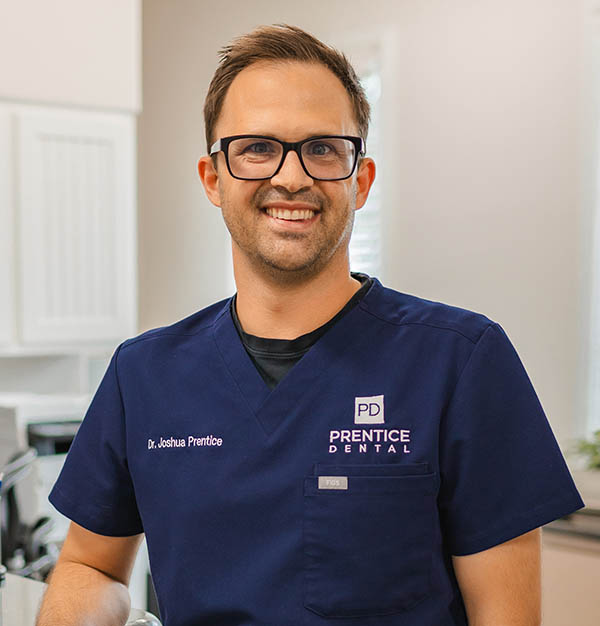
About Dr. Joshua Prentice
DDS, Kois Center Graduate with Honors
Dr. Prentice has completed advanced training at the prestigious Kois Center, one of dentistry's most respected institutions for comprehensive treatment planning and evidence-based care. He lectures nationally on complex restorative dentistry, digital workflows, and airway-centered treatment.
With over 15 years of experience in comprehensive dentistry, Dr. Prentice combines cutting-edge technology with evidence-based protocols to deliver predictable, lasting results for complex dental cases.
Related Articles
Schedule a Comprehensive Evaluation
Not sure if you need full-mouth reconstruction? Dr. Prentice will provide an honest assessment and outline all your options. Get clarity and a clear path forward.
Or call us at (972) 539-6831