
What to Expect During Your First Full-Mouth Consultation
A comprehensive guide to understanding the evaluation process and what happens during your initial visit for full-mouth reconstruction
If you're considering full-mouth reconstruction, you probably have questions about what the first appointment will be like. Will it be overwhelming? How long will it take? What will we actually do? As someone who's guided hundreds of patients through this process, let me walk you through exactly what happens and why each step matters.
Before You Arrive: What to Bring
- Previous dental records(X-rays, treatment notes—though we'll take new images, past records help us understand your dental history)
- Current medications list(including supplements—some affect treatment planning)
- Medical history information(existing conditions, past surgeries, allergies)
- Insurance information(if applicable—we'll help you understand your coverage)
- Questions and concerns(write them down beforehand so we can address everything)
The Consultation Timeline
Plan for 90-120 minutes
This might seem long, but we need adequate time to do a thorough evaluation and have meaningful conversation about your options. This isn't rushed—we want you to leave with clarity and confidence.
Phase 1: Understanding Your Story (20-30 minutes)
We start with conversation, not with tools. Here's what we discuss:
Your Chief Concerns
What brought you in? Pain? Difficulty chewing? Aesthetic concerns? Understanding your primary motivation helps me prioritize the evaluation and treatment planning.
"I want to hear about your experience in your own words—not just clinical symptoms, but how your dental condition affects your daily life."
Your Dental History
Previous dental work, problems you've had, what's worked and what hasn't. This context is crucial for understanding patterns and avoiding past issues.
- •When did you last feel comfortable with your smile and bite?
- •What treatments have you had? What was your experience?
- •Are there specific things you want to avoid or prefer?
Your Goals
Different patients have different priorities. Some want to eliminate pain and restore function. Others are focused on aesthetics. Many want both. Understanding your specific goals ensures the treatment plan aligns with what matters most to you.
Phase 2: Comprehensive Clinical Examination (30-40 minutes)
Next comes the detailed assessment. This goes far beyond a typical dental exam:
Intraoral Examination
I examine every tooth systematically, checking for:
- Decay, fractures, or failing restorations
- Gum health and periodontal status
- Soft tissue abnormalities
- Signs of grinding or clenching
- Tooth mobility or other structural concerns
Bite Analysis
For full-mouth cases, understanding how your teeth come together is critical. I assess:
- Jaw joint (TMJ) function and any signs of dysfunction
- Bite alignment and relationship between upper and lower teeth
- Wear patterns that indicate problems with occlusion
- Vertical dimension—whether your bite height is correct
Aesthetic Evaluation
We look at your smile in the context of your face: tooth position, gum levels, lip support, smile line, and overall facial aesthetics. Photos and sometimes video help us analyze your smile dynamics.
Phase 3: Advanced Diagnostic Imaging (15-20 minutes)
We use state-of-the-art imaging to see what's not visible to the eye:
3D Cone Beam CT Scan (CBCT)
This provides a three-dimensional view of your teeth, bone, and surrounding structures. It's essential for:
- •Assessing bone quality and quantity for implant planning
- •Identifying hidden infections or bone loss
- •Evaluating sinus and nerve positions
- •Planning precise implant placement
Digital Scans
Using our iTero scanner, we create precise digital models of your teeth. This is far more accurate than traditional impressions and allows us to show you proposed changes digitally before any treatment begins.
Photography
Comprehensive photos document your current condition and help in treatment planning and design. They also serve as a baseline to track progress.
Phase 4: Initial Discussion and Next Steps (20-30 minutes)
Once I've completed the examination and reviewed the imaging, we sit down for a detailed conversation:
What I'll Cover:
1. Current Condition Assessment
I explain what I found—not just listing problems, but helping you understand how different issues relate to each other and how they're affecting your function and health.
2. Treatment Approach Overview
I outline the general approach needed. For complex cases, I explain the sequencing—what needs to happen first, what can happen later, and why the order matters.
3. Timeline Expectations
Full-mouth reconstruction typically happens in phases over several months. I give you a realistic timeline so you can plan accordingly.
4. Investment Range
I provide a preliminary cost range. Exact numbers come after the detailed treatment plan is finalized, but you'll leave with a clear understanding of the magnitude of investment.
What Happens After the Consultation?
- Detailed Treatment Plan Development:I'll create a comprehensive written plan with specific procedures, sequencing, timeline, and costs. This takes a few days to complete.
- Treatment Plan Presentation:We schedule a follow-up appointment (usually 30-45 minutes) to review the detailed plan, answer questions, and make any adjustments based on your feedback.
- Financial Planning:Our team helps you understand insurance coverage (if applicable) and arranges financing options if needed.
- Scheduling:Once you're ready to proceed, we schedule your first treatment appointments and outline the complete schedule.
Common Questions Patients Ask
"Will I need to commit to treatment at the first visit?"
Absolutely not. The consultation is about information gathering and education. You'll have time to review the treatment plan, discuss it with family, and make an informed decision without pressure.
"Can you address urgent issues first?"
Yes. If you're in pain or have an infection, we'll prioritize addressing that before moving to the comprehensive treatment plan. Your comfort comes first.
"What if I'm nervous about the consultation?"
That's completely normal, especially if you've had negative dental experiences. We work at your pace, explain everything before we do it, and prioritize your comfort. Many patients tell me the consultation was far less intimidating than they expected.
The Bottom Line
The first consultation is about understanding your situation comprehensively and creating a clear path forward. It's not rushed, it's not intimidating, and it's designed to give you clarity and confidence about your options.
By the end, you'll understand what's happening in your mouth, what's possible to fix, what the process looks like, and what it will take to get there. That knowledge is empowering—and it's the foundation for successful treatment.
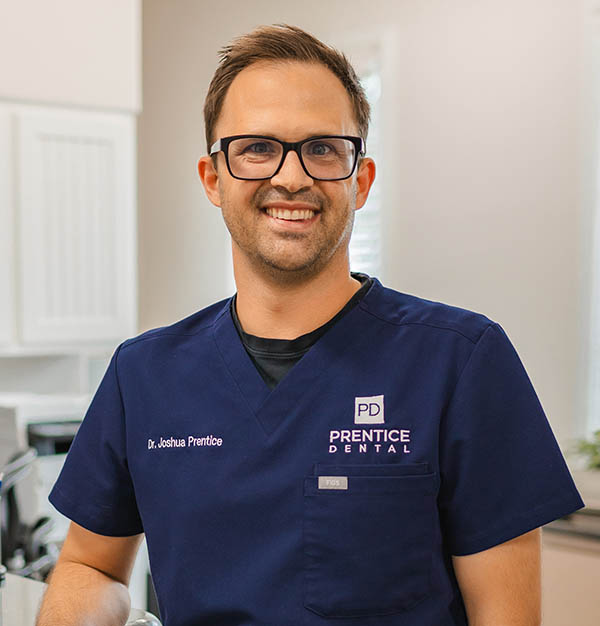
About Dr. Joshua Prentice
DDS, Kois Center Graduate with Honors
Dr. Prentice has completed advanced training at the prestigious Kois Center, one of dentistry's most respected institutions for comprehensive treatment planning and evidence-based care. He lectures nationally on complex restorative dentistry, digital workflows, and airway-centered treatment.
With over 15 years of experience in comprehensive dentistry, Dr. Prentice combines cutting-edge technology with evidence-based protocols to deliver predictable, lasting results for complex dental cases.
Related Articles
Ready to Take the First Step?
Schedule your comprehensive full-mouth consultation with Dr. Prentice. We'll take the time needed to understand your situation and create a clear path forward.
Or call us at (972) 539-6831